



The Reality of Human Trafficking in Nebraska
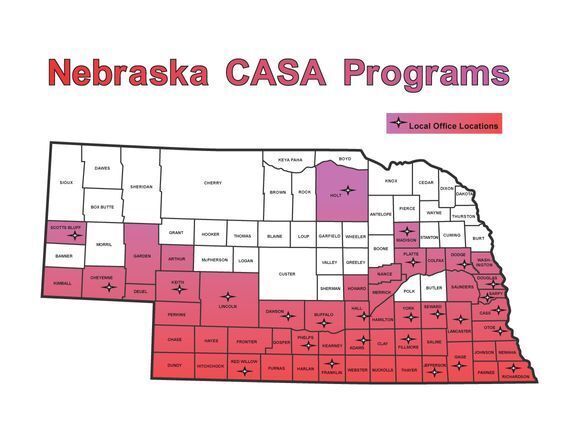
Human trafficking is not distant or abstract — it happens in every region of the state. Nebraska has a dedicated Human Trafficking Task Force that works with law enforcement and service partners to identify and respond to cases across urban and rural areas.
According to the National Human Trafficking Hotline, thousands of trafficking signals and hundreds of cases have been identified in Nebraska since 2007, with over a thousand victims reported in those cases.
Reports also confirm that sex trafficking follows transportation routes, with victims moved between smaller communities and larger communities on the interstate.
In recent federal operations, children as young as 12 were rescued from labor trafficking situations in Nebraska, underscoring that exploitation takes many forms and can occur in settings such as hotels and workplaces.
Why Children in Foster Care Are Especially Vulnerable
Children and youth involved in the child welfare system — especially those in foster care, group homes, or who have run away from placements — are disproportionately at risk for trafficking.
While detailed Nebraska-specific trafficking data broken down by foster care status isn’t publicly reported, national research clearly shows the link:
- Up to 100,000 U.S. minors are estimated to be trafficked each year.
- Many trafficked youth have histories in the child welfare system, with some reports indicating a majority have experienced foster care prior to exploitation.
Local factors that contribute to this increased vulnerability include:
- Trauma histories, such as abuse, neglect, or parental substance use — which are common reasons children enter care.
- Frequent placement changes and lack of consistent adult support
- Running away from unsafe or unstable placements
- Isolation from family or supportive adults
These factors increase risk because traffickers often target youth who lack strong, stable relationships and who are seeking safety, belonging, or emotional support.
Signs a Youth Might Be Trafficked
Recognizing indicators of trafficking is crucial for early intervention. Signs may not always be obvious, but watch for behavioral, physical, and situational clues:
Behavioral & Emotional Indicators
- Sudden, unexplained changes in behavior
- Withdrawal from friends, mentors, or supportive adults
- Fearful or anxious demeanor around certain people
- Signs of psychological manipulation
Physical & Health Signals
- Unexplained injuries or signs of abuse
- Repeated sexually transmitted infections or pregnancy
- Signs of exhaustion, poor hygiene, or untreated health issues
Situational & Social Red Flags
- Frequent episodes of runaway or missing from placement
- Unexplained money, gifts, or expensive items
- A much older partner or someone controlling their activities
- Isolation from peers, family, or supportive adults
Labor Trafficking Indicators
According to Nebraska DHHS, signs of labor trafficking may include:
- Work situations where family roles or guardianship are unclear
- Child doing long hours for no pay
- Child appears fearful of caregivers who are not legal guardians or have unclear relationships to the youth.
How to Respond & Where to Get Help in Nebraska
If you see something that doesn’t feel right, take action immediately. You can:
1. Report to the Nebraska Adult & Child Abuse & Neglect Hotline: 800-652-1999 _
2. Nebraska Human Trafficking Hotline: 1-833-PLS-LOOK (1-833-757-5665)
3. National Human Trafficking Hotline: 1-888-373-7888 (confidential support, available 24/7)
4. In an emergency, call 911.
Local organizations and coalitions across Nebraska provide education, victim support, trauma-informed care, and prevention training.
The Role We All Play
Protecting children from trafficking takes a community-wide response — from foster parents, caregivers, educators, and social workers to neighbors and peers. You don’t need to be an expert to make a difference. Knowing the signs, understanding the risks, and taking action when something feels wrong can help save a child’s life.
Together, we can shine a light on trafficking, protect vulnerable youth in care, and strengthen the safety nets that keep children safe and thriving.