
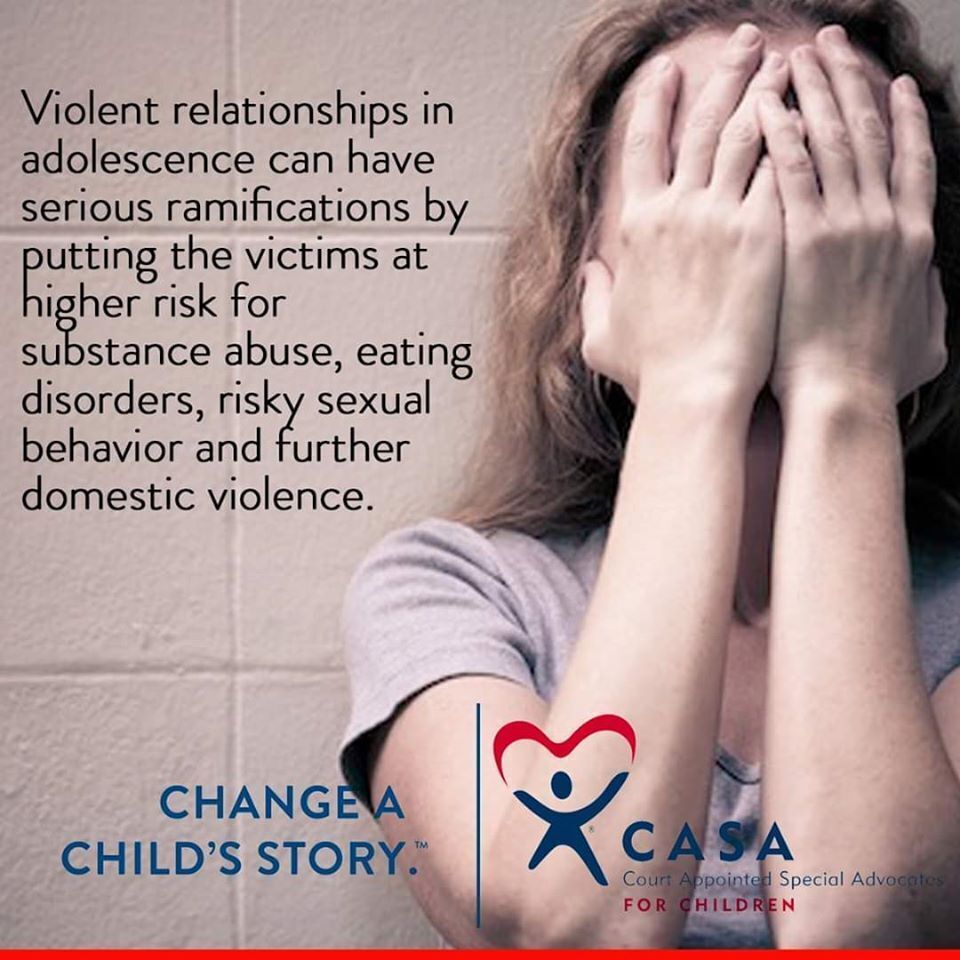
Teen dating violence can include:
- Physical harm
- Emotional or verbal abuse
- Sexual coercion
- Digital abuse or controlling behavior
- Isolation from friends and support systems
For youth who may already feel powerless, these relationships can deepen trauma, impact mental health, disrupt school success, and increase the risk of further victimization.
This is where CASA volunteers play a vital role.
Court Appointed Special Advocates (CASA) are trained community volunteers appointed by judges to advocate for the best interests of children and youth in foster care. For teens, a CASA volunteer is often the one consistent adult who asks questions, notices red flags, and ensures the court understands the full picture of a young person’s safety and well-being.
A CASA volunteer can:
- Help a teen recognize signs of unhealthy relationships
- Advocate for trauma-informed counseling or supportive services
- Ensure safety concerns are communicated to the court
- Encourage healthy boundaries and self-worth
- Be a steady, trusted presence when it matters most
One in three teens will experience physical, sexual, or emotional abuse from someone they’re in a relationship with before becoming adults. Teen Dating Violence Awareness Month is not just about statistics, it’s about prevention, education, and empowerment. It’s about helping young people understand that love should never hurt. It’s about building resilience and reinforcing that every teen deserves respect, safety, and healthy relationships.
In Nebraska, CASA programs serve youth in communities both urban and rural. In smaller communities especially, teens may have fewer confidential resources and limited access to specialized services. That makes community awareness and strong advocacy even more essential. Find more resources for working with older youth in foster care on our site at https://www.nebraskacasa.org/see_what_we_do/olderyouthresources.html.
Together, we can ensure that Nebraska’s youth know their worth — and that they never have to face violence alone.